BLUF: Hybrid Cloud Offers the Ultimate Balance of Agility and Sovereignty
As Australian enterprises face increasing demands for scalable computing and strict data protection, the Hybrid Cloud has emerged as the definitive architecture for the modern era. By seamlessly unifying private infrastructure with public cloud services, businesses can keep sensitive data onshore in a secure, sovereign environment while leveraging the massive scalability of the public cloud for non-critical tasks. A well-structured hybrid strategy can reduce total cost of ownership by up to 50% while maximizing operational flexibility.
The Architecture of the Hybrid Cloud
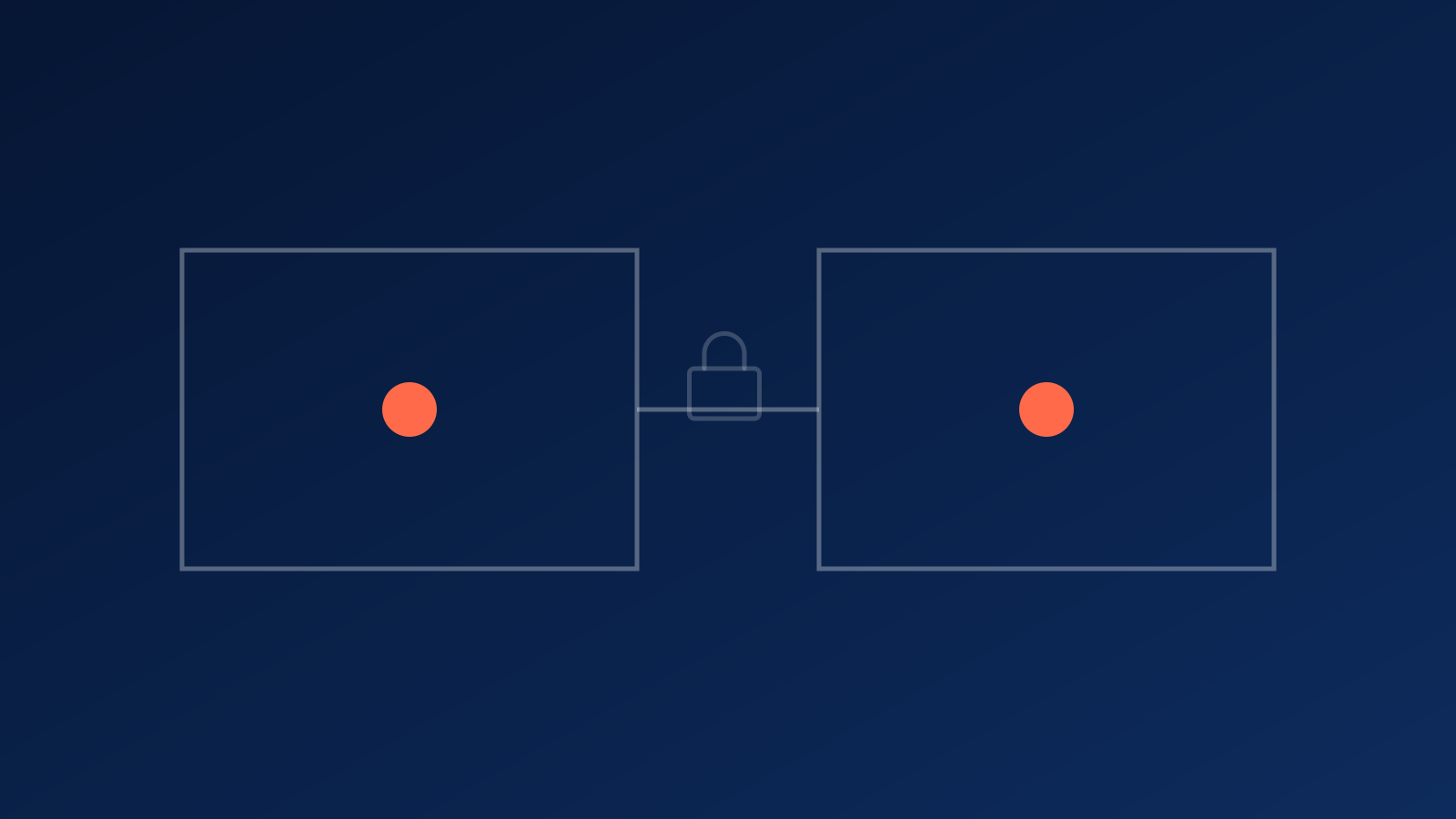
A hybrid cloud is more than just using two different providers; it is a unified environment where data and applications can flow fluidly between on-premise, private, and public resources:
- Private Cloud Component: Used for hosting mission-critical databases and proprietary software that require strict security and low latency.
- Public Cloud Component: Utilized for “cloud bursting” during peak traffic periods or running general office applications.
- Unified Management: Using a single dashboard to monitor security, performance, and costs across the entire ecosystem.
Why Hybrid is Essential for Australian Businesses
The Australian landscape presents unique challenges—specifically data sovereignty and network latency.
- Data Sovereignty: Storing sensitive information in a sovereign Australian Private Cloud ensures compliance with the Privacy Act and the NDB scheme, keeping data safe from foreign search and seizure laws.
- Cost Optimization: Organizations can move from an expensive CapEx model to a predictable OpEx model, paying only for the “burst” capacity they need in the public cloud.
- Enhanced Security: Maintaining a “Zero Trust” posture is significantly easier in a hybrid environment where core assets are isolated from the public internet.
The Future: Automation and AI Integration
Looking ahead, the hybrid cloud will be defined by advanced automation. AI-driven orchestration tools will soon be able to automatically move workloads between private and public clouds based on real-time electricity costs, network latency, or security risk levels. This “intelligent cloud” will ensure that Australian businesses are always running at peak efficiency.
Building Your Hybrid Roadmap
Transitioning to a hybrid model requires a clear strategy and expert managed IT support. By starting with non-critical workloads and gradually integrating your core legacy systems, you can build a resilient digital foundation that supports current operations and future innovation with equal strength.